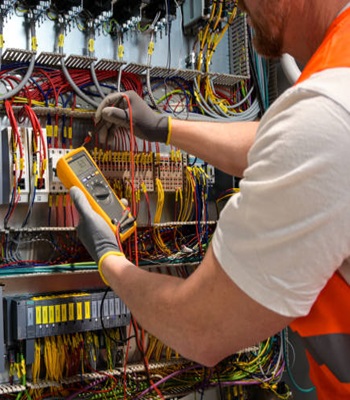
Industrial Electric Wiring
1. Types of Wiring Systems
-
Conduit Wiring:
- Description: Electrical cables are run through metal or plastic conduits for protection against mechanical damage and environmental factors.
- Advantages: Enhanced protection, organized cable management, and ease of maintenance.
- Applications: Used in areas where cables are exposed to physical damage, such as industrial plants and commercial buildings.
-
Trunking Wiring:
- Description: Utilizes enclosed ducts to carry multiple electrical cables. Trunking systems can be made of plastic or metal.
- Advantages: Simplifies cable management, allows for easy additions or modifications, and provides good protection against damage.
- Applications: Common in large buildings and industrial installations where numerous cables need to be routed systematically.
-
Cable Tray Wiring:
- Description: Open trays, usually made of metal, support and organize cables, allowing for ventilation and easy access.
- Advantages: Facilitates easy installation and maintenance, supports large volumes of cables, and allows for heat dissipation.
- Applications: Widely used in industrial environments, data centers, and commercial buildings.
2. Wiring Components
- Circuit Breakers: Devices that interrupt the electrical flow to prevent damage from overloads or short circuits.
- Fuses: Safety devices that protect electrical circuits by melting and breaking the circuit when current exceeds safe levels.
- Junction Boxes: Enclosures used to protect and conceal electrical connections.
- Connectors: Components used to join wires securely.
3. Safety Measures
- Insulated Gloves: Protective gear to prevent electric shock while working on electrical systems.
- Safety Glasses: Essential for protecting eyes from sparks and debris.
- Lockout/Tagout Devices: Ensure that electrical systems remain de-energized during maintenance, preventing accidental re-energization.
4. Wiring Techniques
- Stripping Wires: Removing insulation from wires to prepare them for connections.
- Making Connections: Joining wires using connectors, soldering, or other secure methods.
- Securing Cables: Using clips, ties, or clamps to organize and support cables.
5. Industrial Control Panels
- Description: Enclosures housing various electrical components that control machinery and processes. They ensure organized, efficient, and safe operation of industrial systems.
6. Code Compliance and Standards
- National Electrical Code (NEC): Provides guidelines for safe electrical installation practices in the United States.
- International Electrotechnical Commission (IEC) Standards: Establish international standards for electrical technologies and safety.
7. Tools for Wiring
- Wire Strippers: Tools for removing insulation from wires. Crimpers: Devices for attaching connectors to wires.
- Multimeters: Instruments used to measure voltage, current, and resistance.
- Cable Cutters: Tools designed for cutting electrical cables.
8. Troubleshooting and Maintenance
- Diagnostic Tools: Instruments like thermal cameras and circuit analyzers help identify issues in electrical systems.
- Maintenance Procedures: Regular inspections and testing ensure the reliability and safety of electrical installations.